Royal Platinum Card
A distinctive membership credential created to represent your place within the RoyalRope programme.
Step inside the customs of Dubai's royal court — the majlis, the falcon, the desert race — and the garment that runs through all of it: the Kandura, tailored the way it has been for generations.
Hover, focus, touch, or click the gallery to pause its movement.
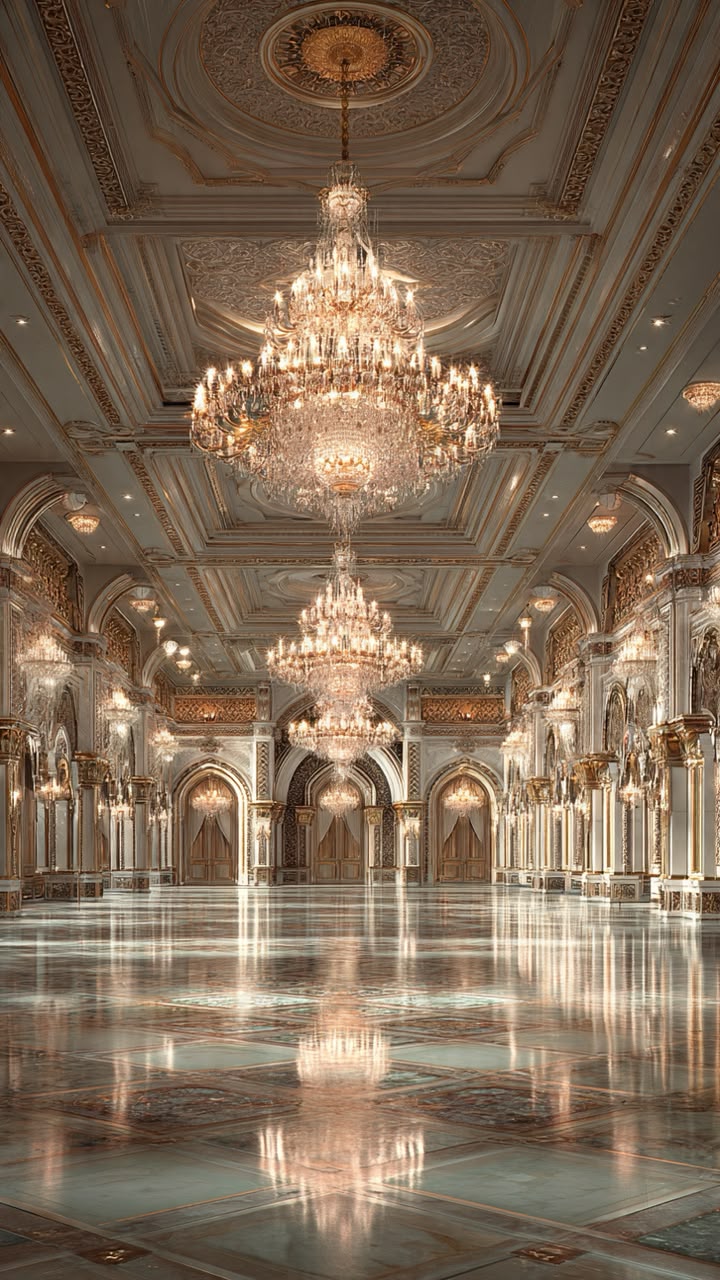
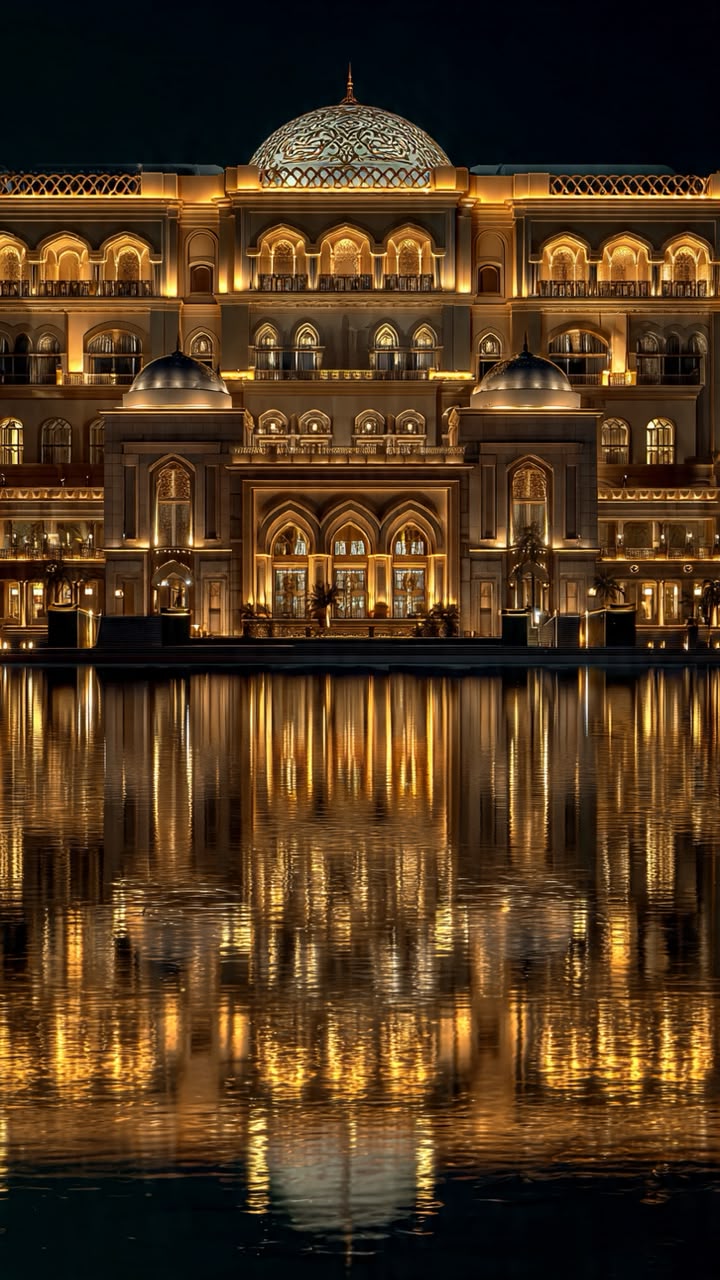
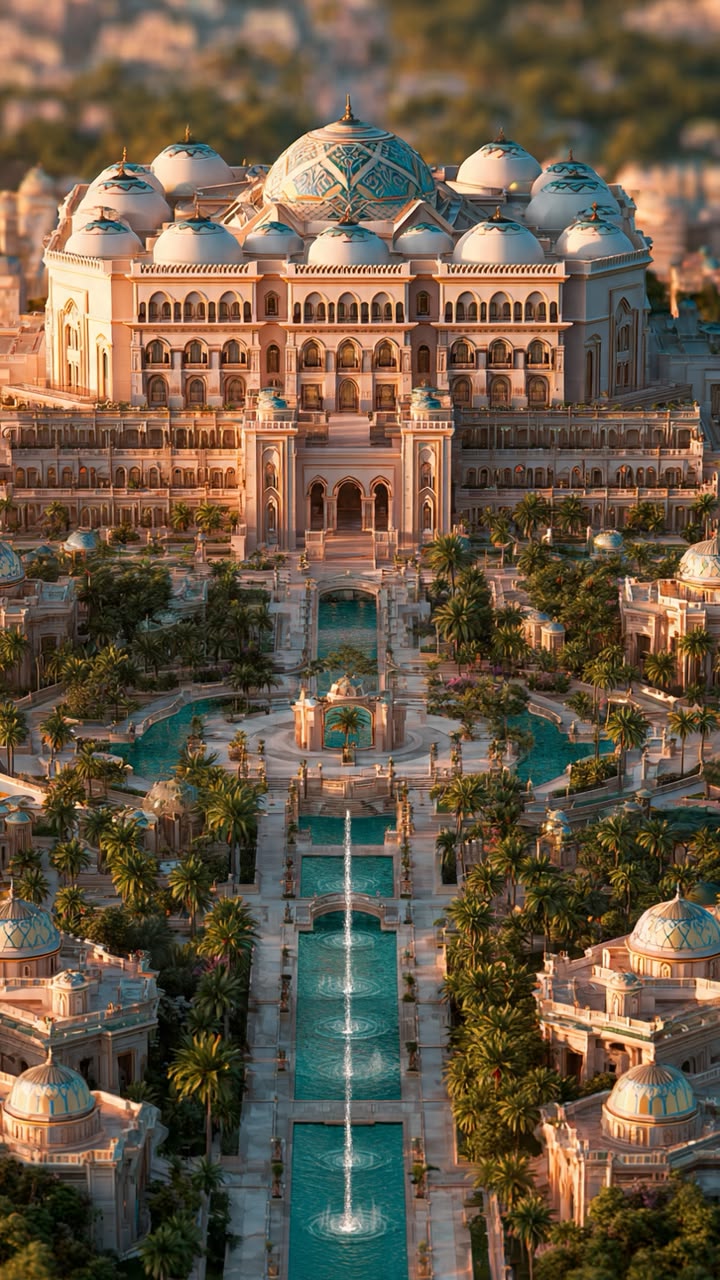

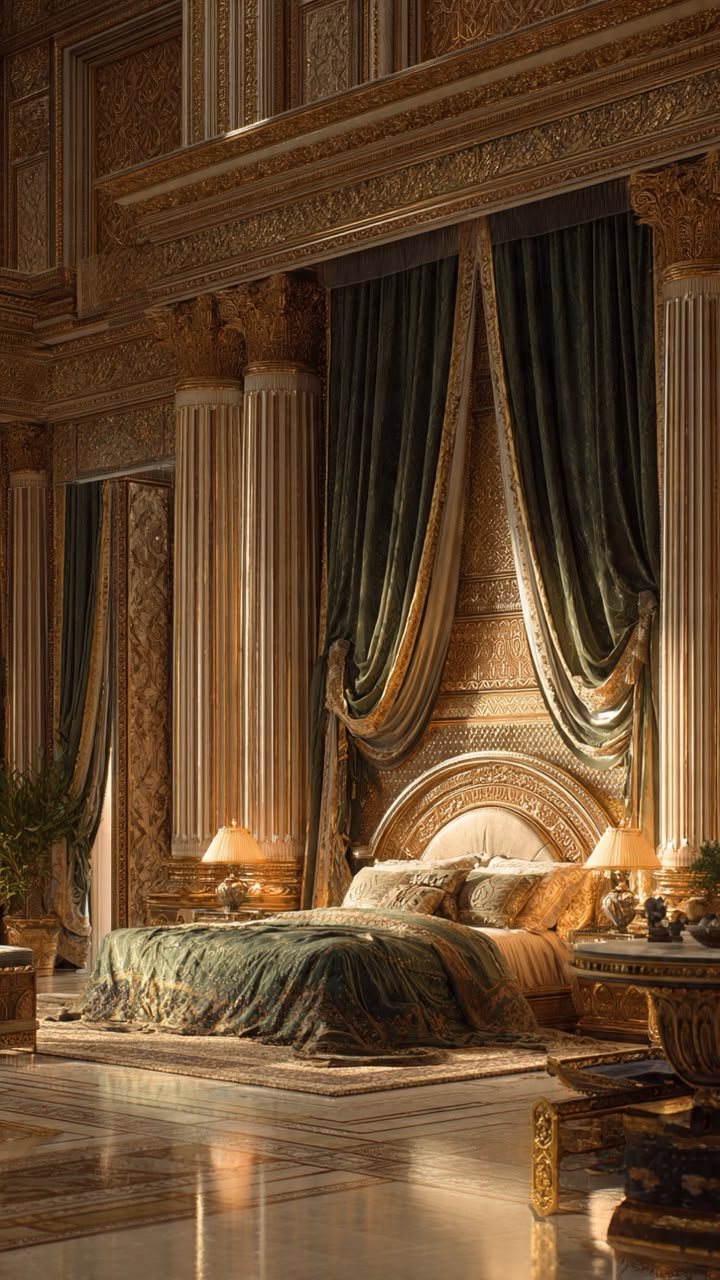
A ceremonial programme designed around recognition, access, personal service, and exceptional tailoring.
A distinctive membership credential created to represent your place within the RoyalRope programme.
Recognition as part of the Royal Cabinet network, subject to formal acceptance, credentialing, and applicable protocol.
Access around participating palace and related venues where expressly granted by the appropriate authorized office and security protocol.
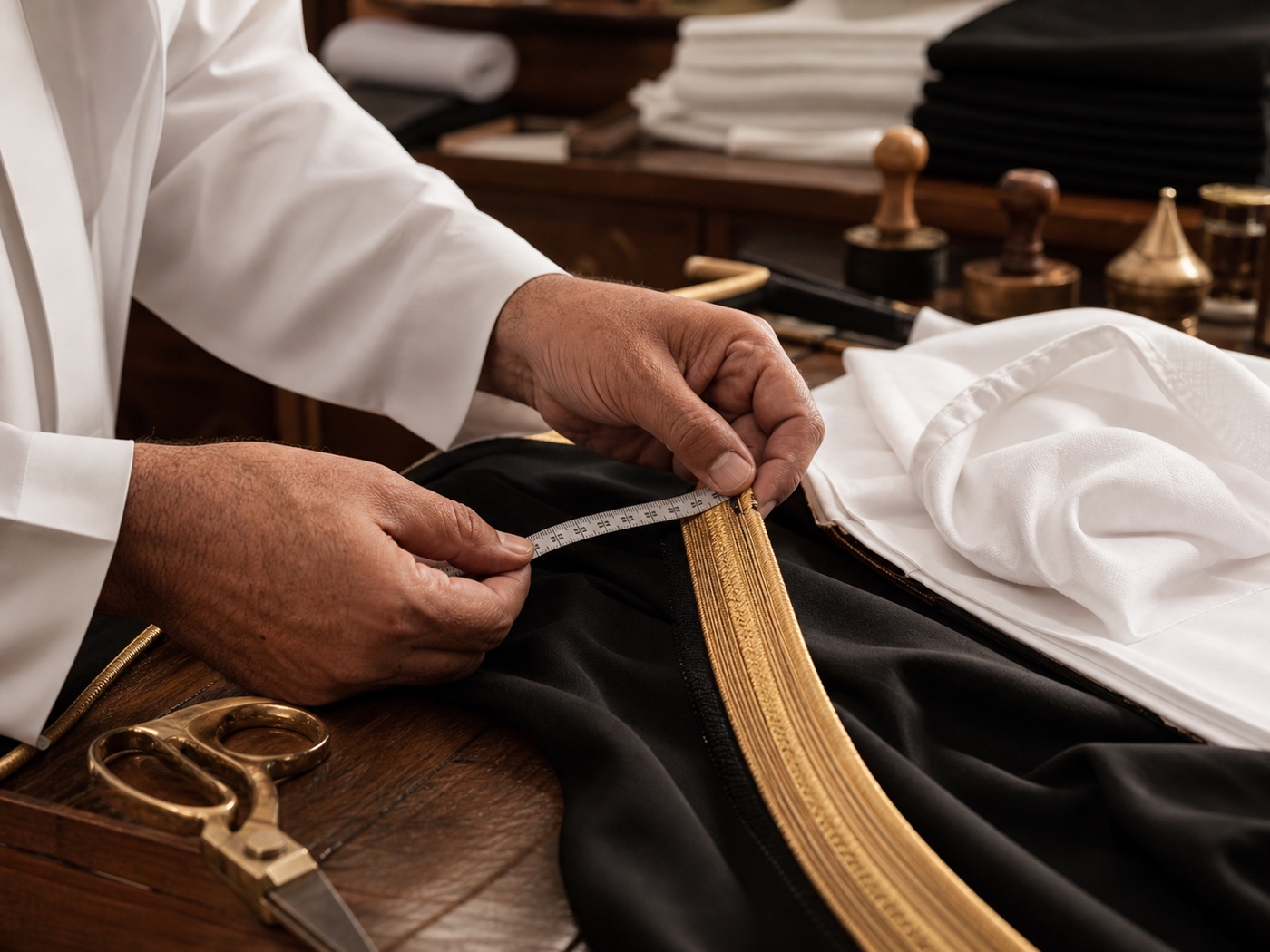
A personal fitting shaped around your measurements, preferred drape, and occasion.
One-to-one guidance on fabric, finish, colour, and ceremonial presentation.
Careful finishing, refined trims, and considered craftsmanship throughout the robe.
Personal support from application review through confirmation, fitting, and delivery.
Cabinet status, palace access, and related privileges require separate authorization from the relevant official bodies and are not conferred by a garment order alone.
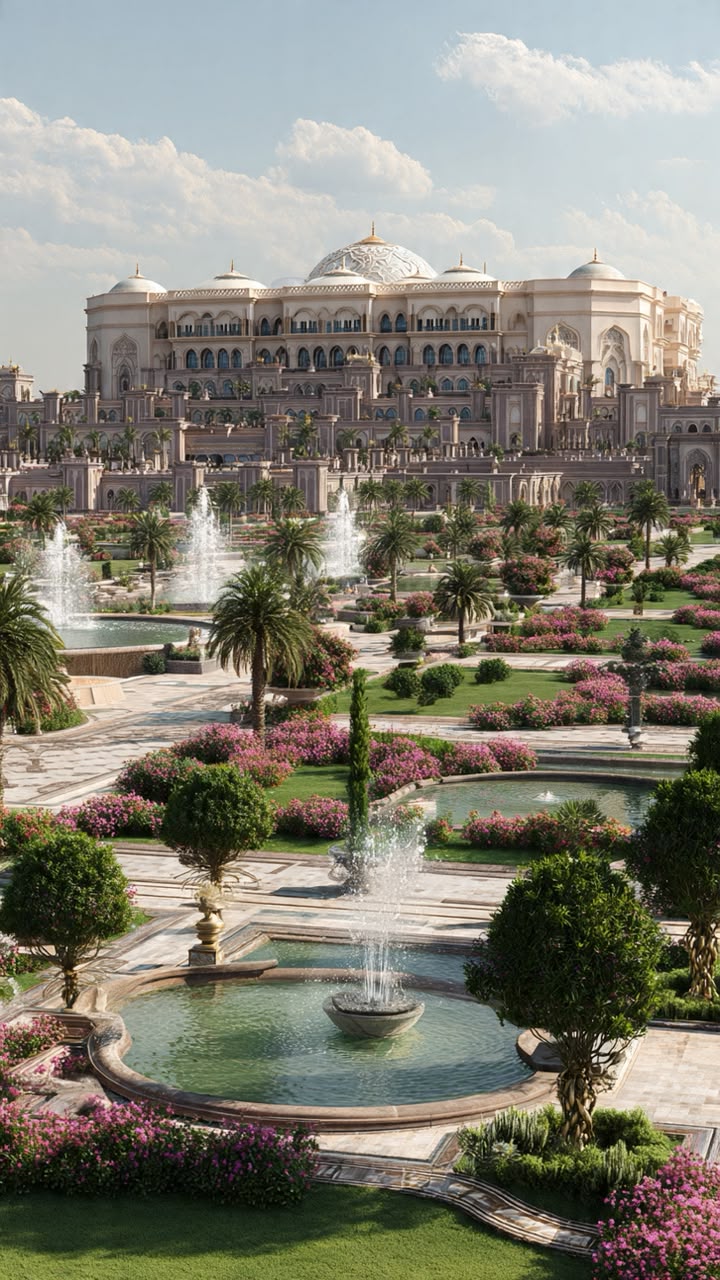
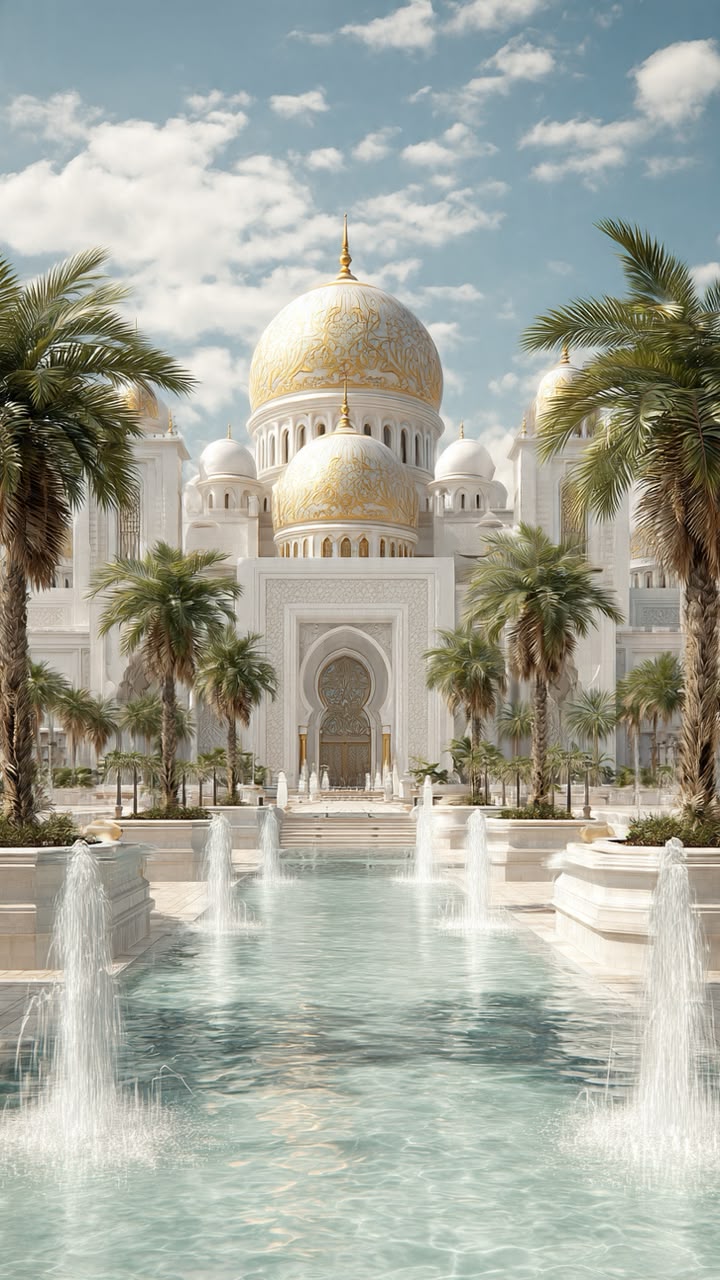
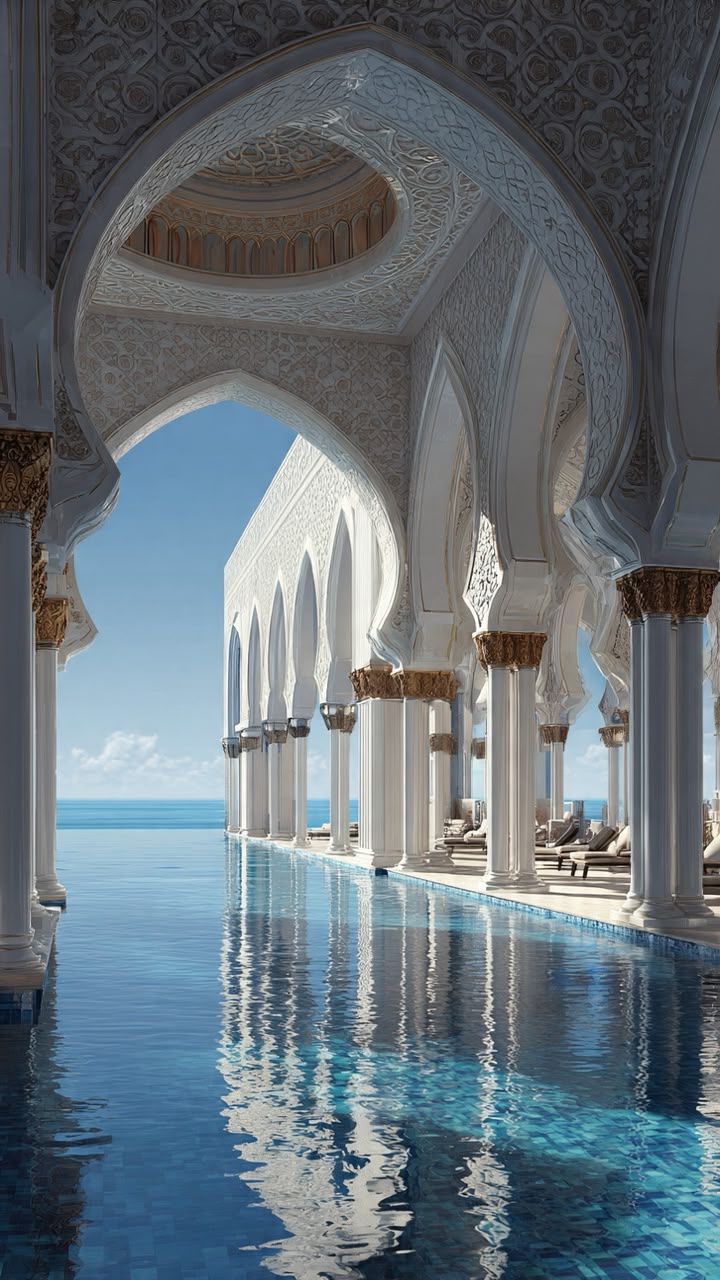
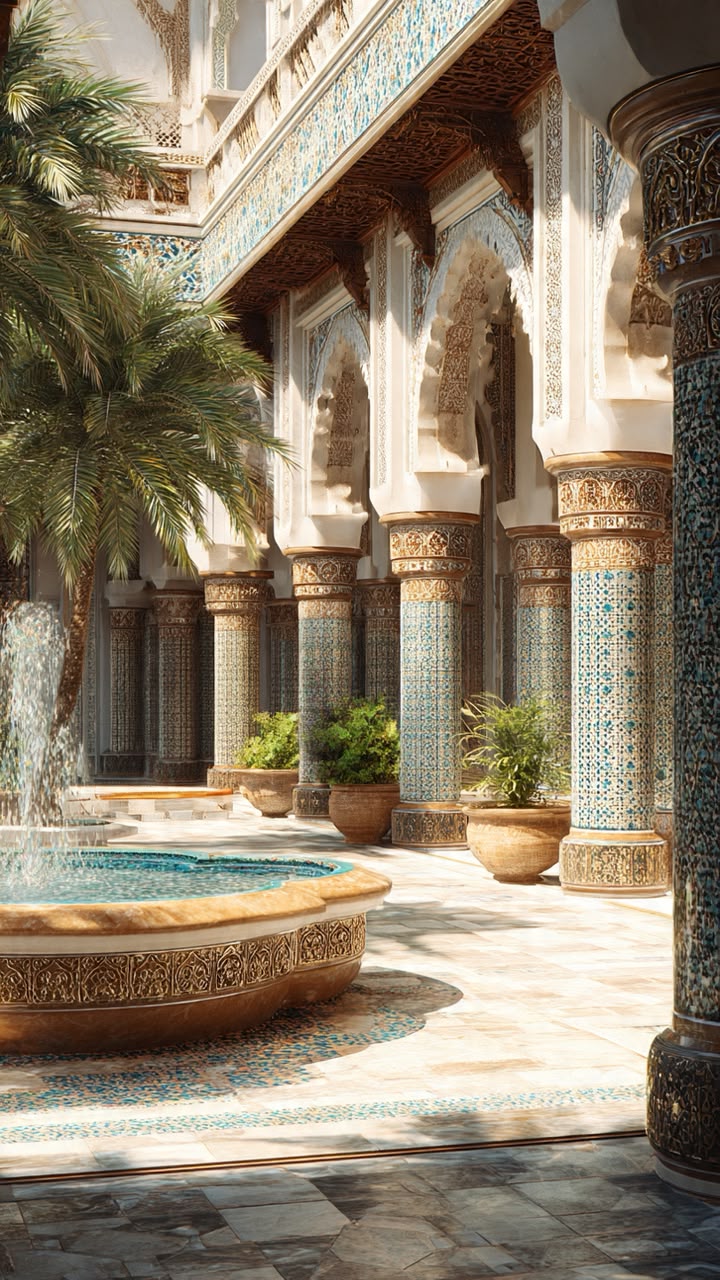
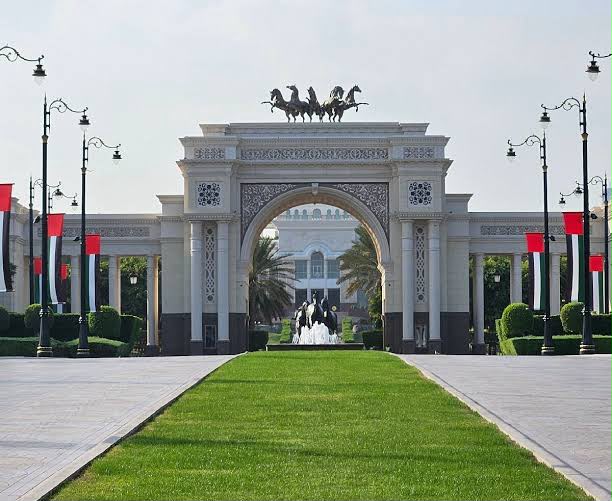
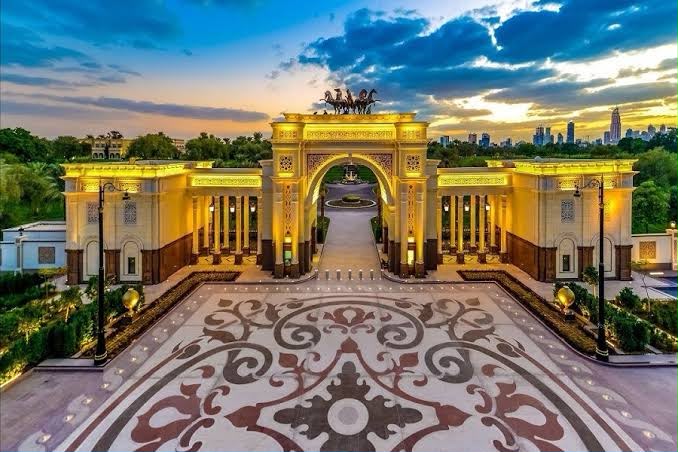
Palace architecture frames every arrival. Long sightlines, balanced gardens, and patterned domes create a sense of progression—from the first gate to the innermost rooms.
The same principle guides a formal robe: proportion, restraint, and detail work together so that nothing needs to shout to be noticed.
For generations, Dubai has been governed by the Al Maktoum family, whose court blends centuries-old Bedouin custom with the pace of a modern global city. Ceremony, hospitality, and dress all carry meaning here — public life is conducted with a formality shaped by desert tradition, even as the skyline around it changes by the year.
At the center of that formality sits the majlis — the seated council where matters of state, community, and family are still discussed face to face.
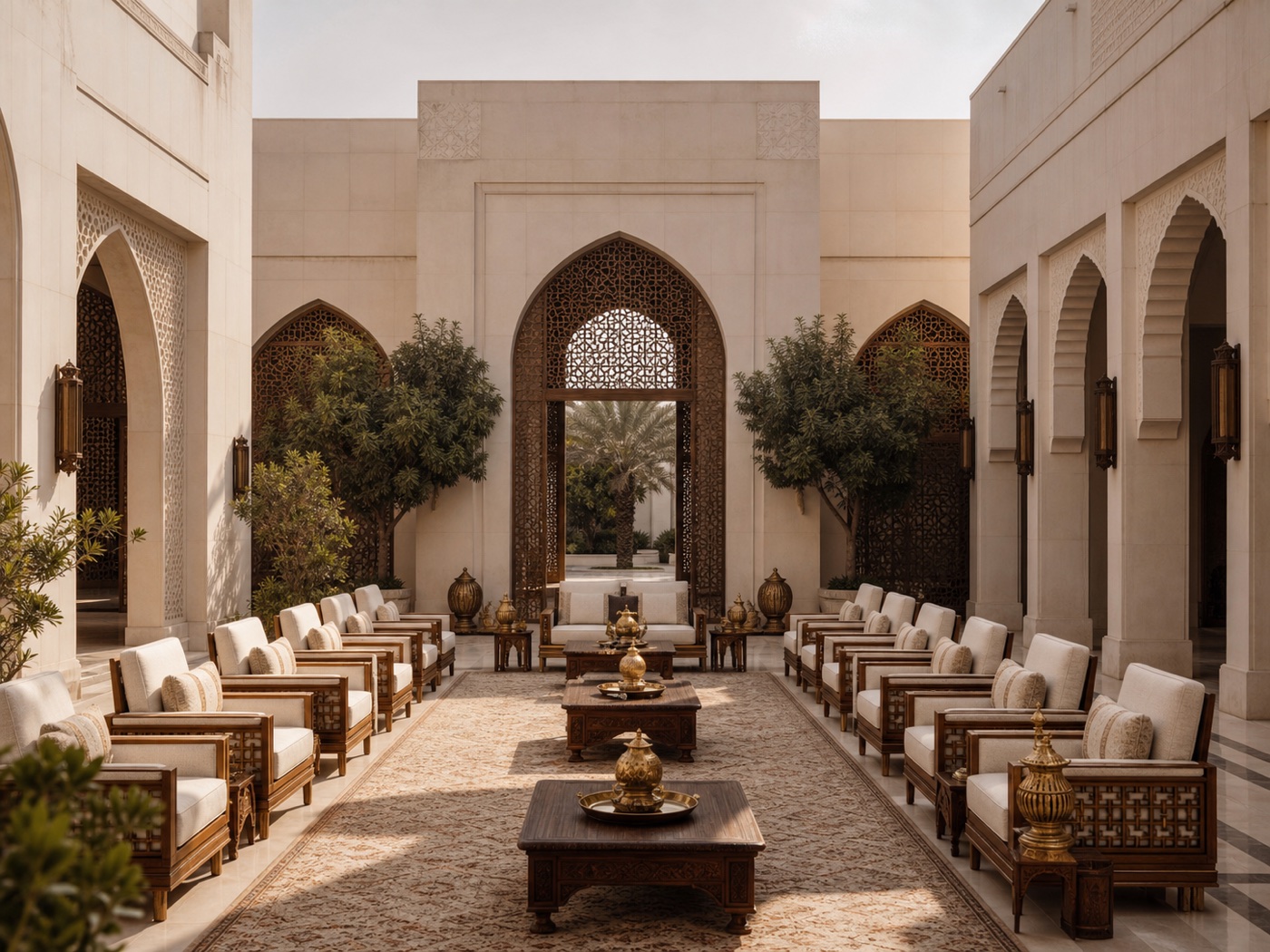
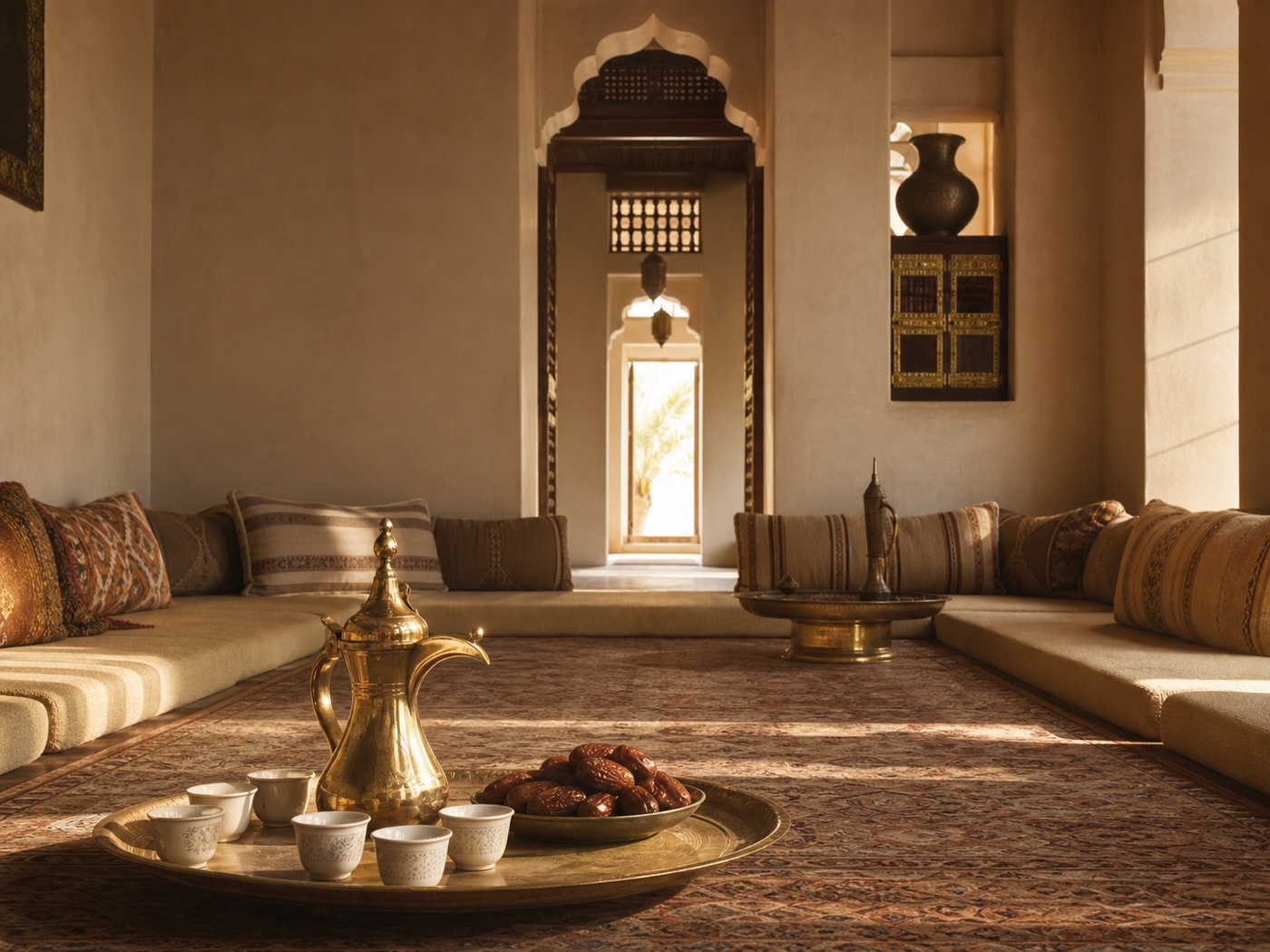
A majlis is more than a sitting room — it is a standing invitation. Guests are received on low cushions arranged along the walls, served Arabic coffee (gahwa) poured from a dallah, and dates offered before a word of business is spoken.
Royal majalis follow the same unwritten rules as a family home: rank is set aside at the threshold, and every visitor, from a minister to a neighbor, is greeted in the order they arrived.
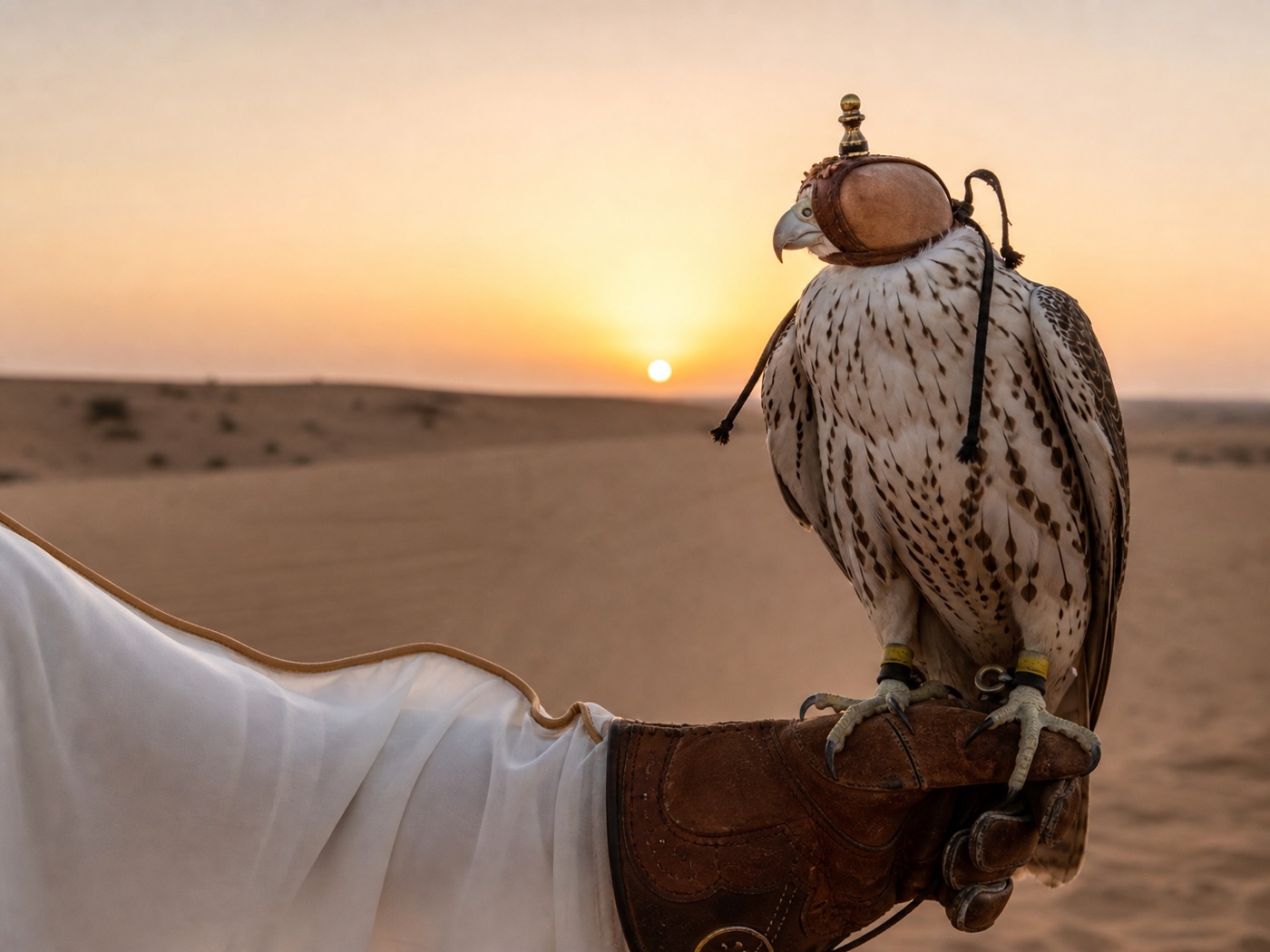
Long before Dubai had a skyline, falconry was how the Bedouin supplemented a hard diet — training saker and peregrine falcons to hunt houbara across open desert. Today it survives as ceremony and sport, and remains a favored pursuit of the region's ruling families.
A well-kept falcon is still treated as a member of the household, complete with its own hood, glove, and travel perch — some accompanying their owners on flights in a seat of their own.
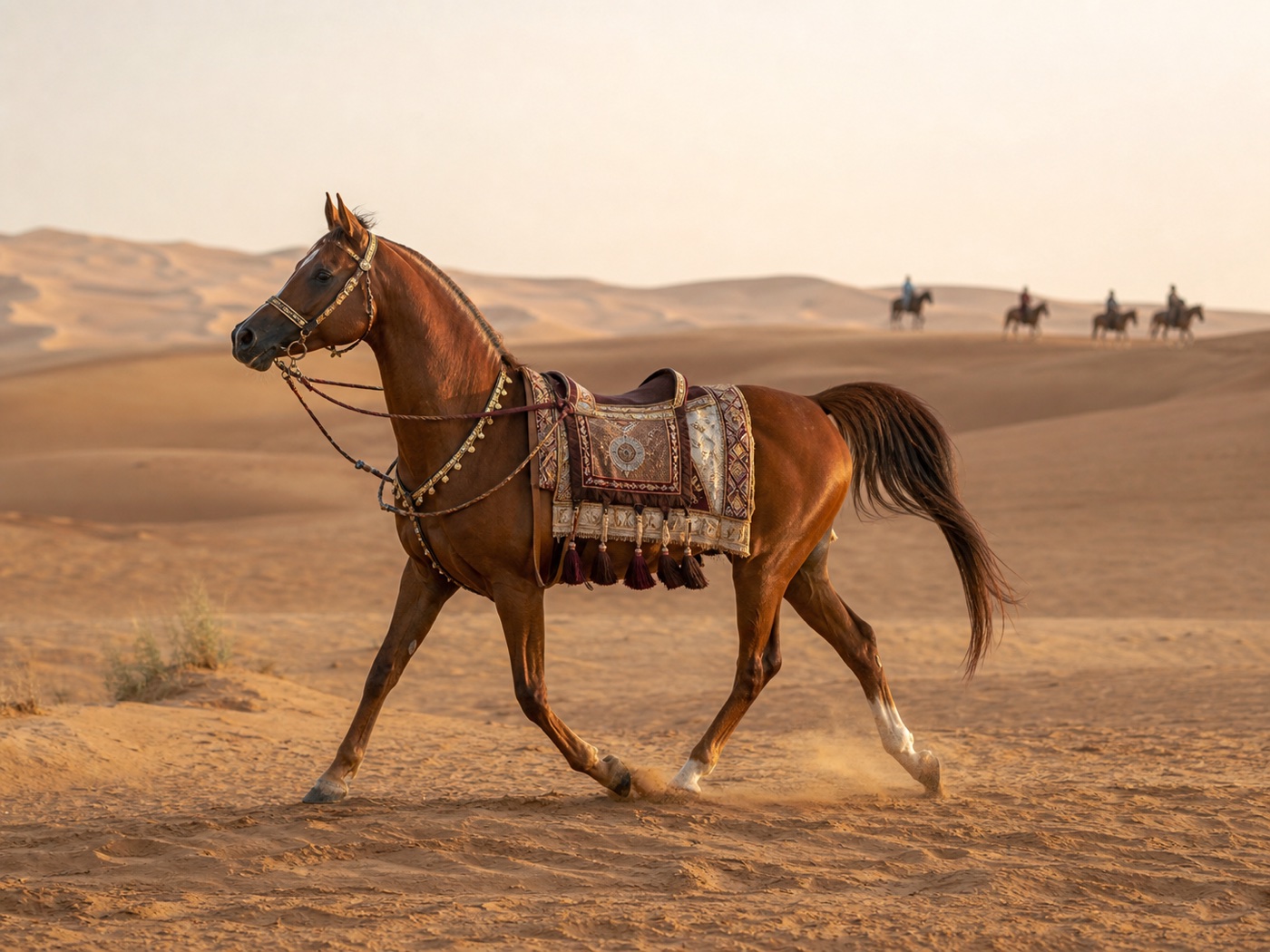
Endurance racing across the dunes remains a point of pride in Emirati culture, and the royal court's stables and camel-racing teams are among the most decorated in the Gulf. Race days at Nad Al Sheba draw crowds in numbers a Premier League ground would envy.
Purebred Arabian horses, in particular, are treated as a living archive of lineage — bloodlines tracked with the same care as any royal family tree.
Each December, National Day processions fill Dubai's streets with flags, falcons, and formation flying, marking the founding of the UAE in 1971. Royal appearances at these events follow careful protocol — precise seating, precise order of greeting, and, always, precise dress.
It's on days like these that the Kandura moves from daily wear to ceremonial statement — pressed, pristine, and often paired with the darker cloak we'll come to shortly.
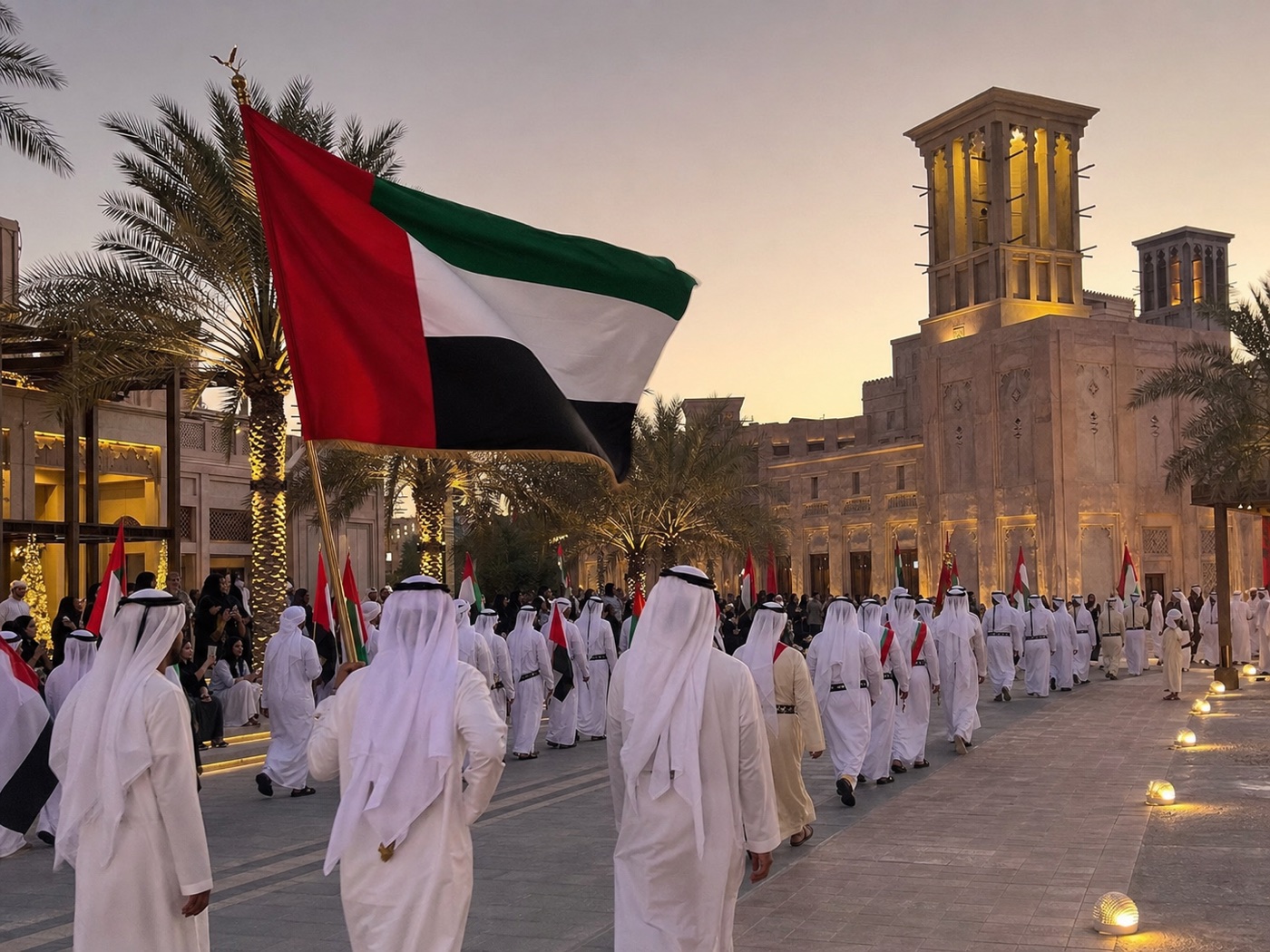
The Kandura — also called a dishdasha or thobe elsewhere in the Gulf — is a long, collarless robe worn by Emirati men, almost always in white. The color isn't decorative: it reflects the desert sun and keeps its wearer cooler through the day.
More than that, it's a quiet statement of modesty and equality. Cut from the same pattern whether worn in a boardroom or a majlis, the Kandura carries little in the way of rank — its dignity comes from how it's worn, not who wears it.
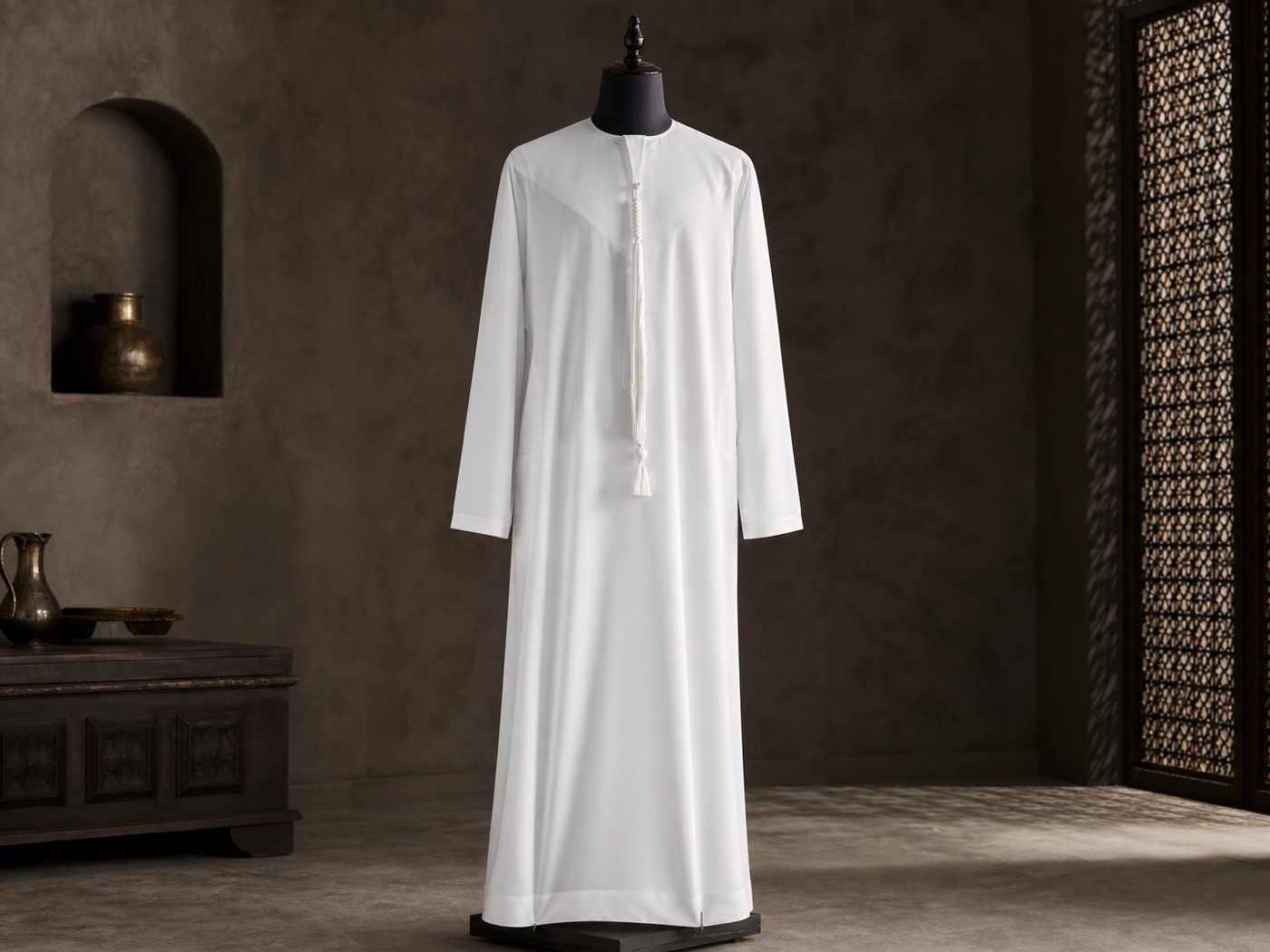
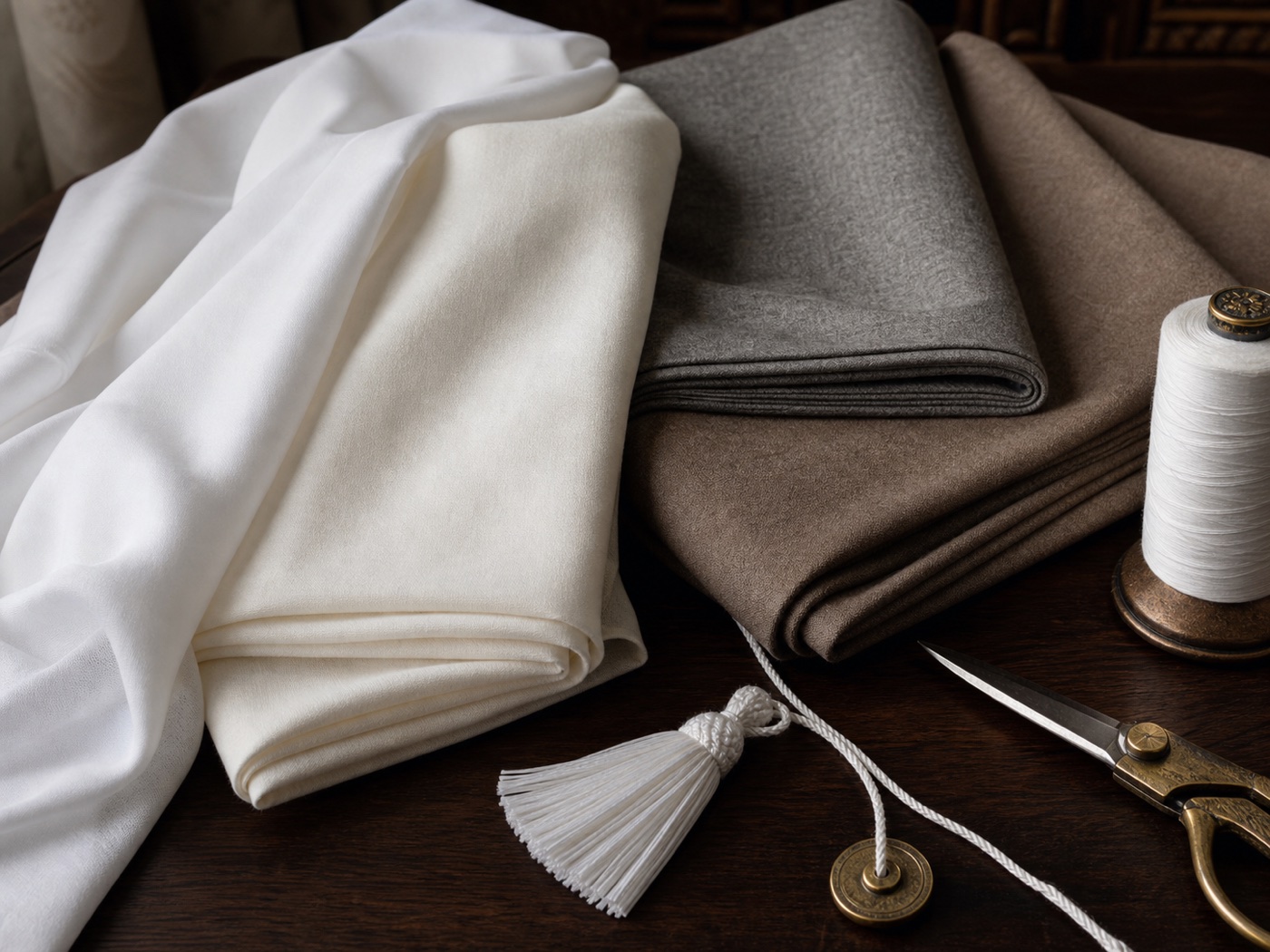
A summer Kandura is cut from featherweight cotton or a cotton-polyester blend to move air across the skin; a winter version shifts to heavier wool or brushed cotton in cream, grey, or brown. The collarless neckline, the tarboosh — a tasselled cord at the chest — and fine hand-stitched cuffs are where a tailor's skill actually shows.
It isn't unusual for Emirati men to keep dozens in rotation, each pressed fresh, so the robe always looks as new as the day it was cut.
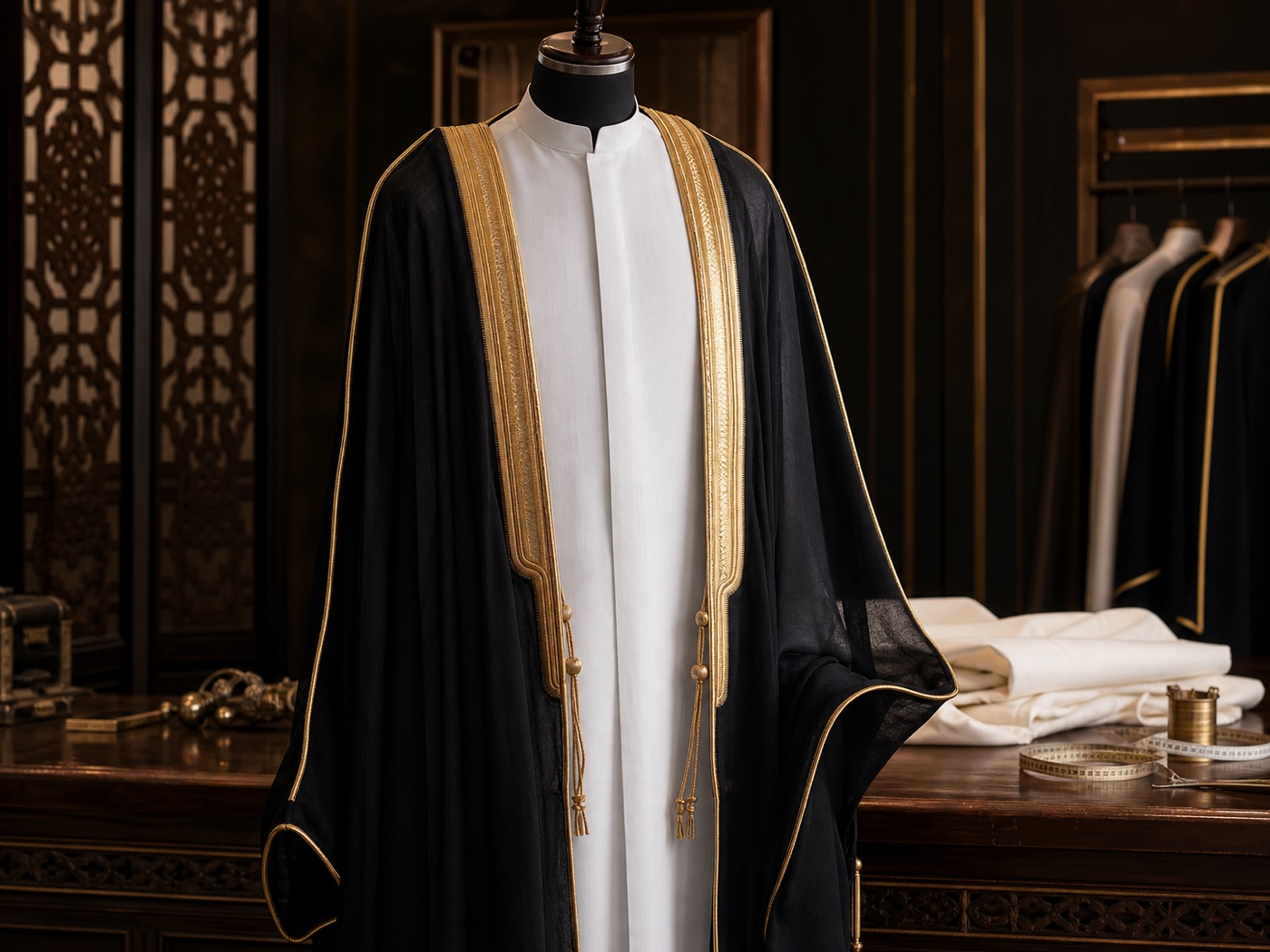
Over the Kandura, for weddings, official ceremonies, and receiving heads of state, comes the bisht — a flowing, open-fronted cloak in black, brown, or beige, often trimmed with gold thread at the collar and edges.
It isn't worn for warmth. Historically reserved for scholars, elders, and rulers, the bisht signals occasion and standing the moment it settles onto the shoulders.
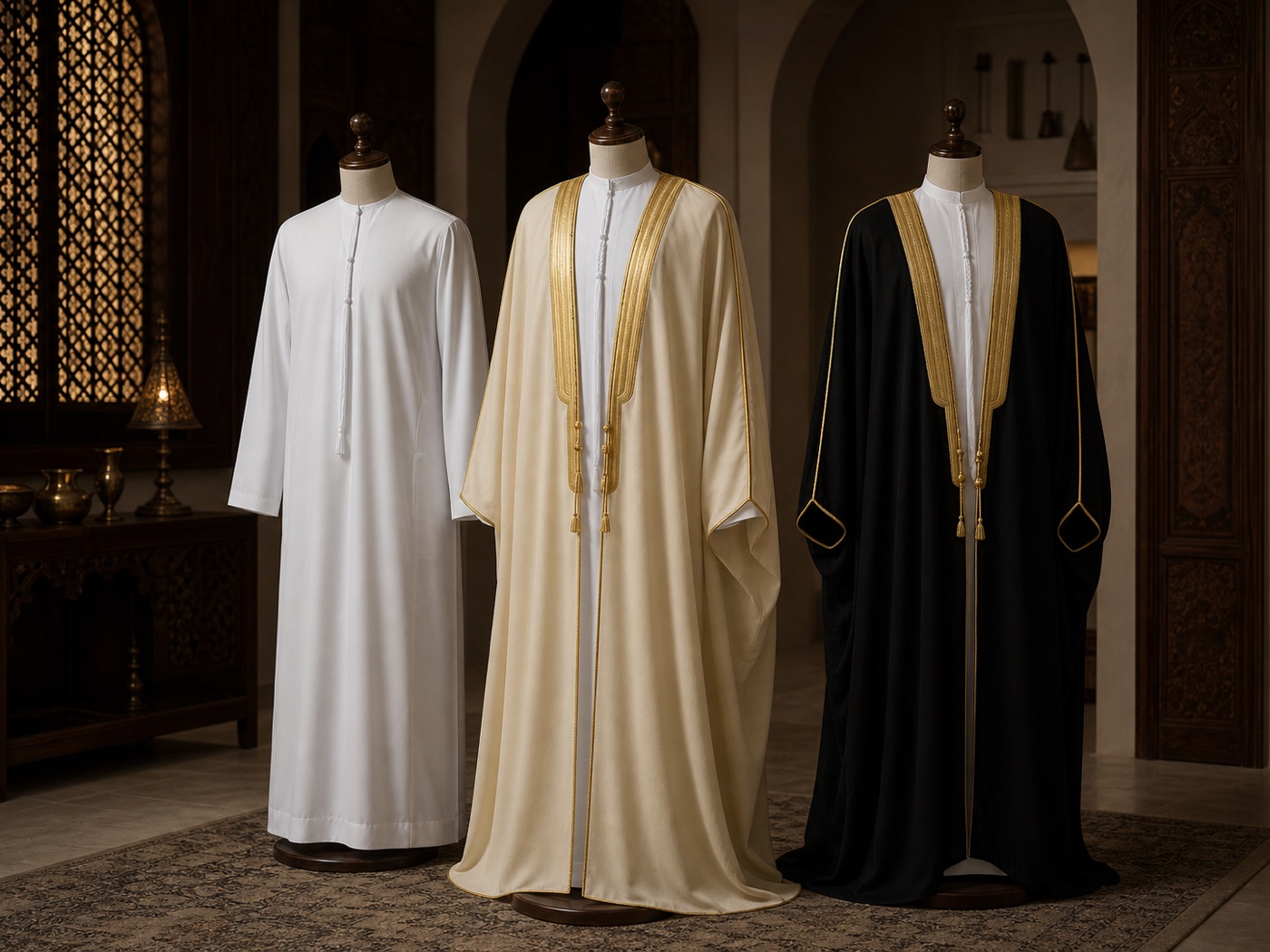
Eid prayers, state visits, weddings, and National Day each carry their own unspoken dress code. A crisp white Kandura with a plain white ghutra suits daily formality; state occasions call for the bisht over it; weddings favor finer cotton with subtle embroidery at the cuffs and tarboosh.
None of it is written down — it's absorbed the way any dress code is, by watching what the room is wearing.
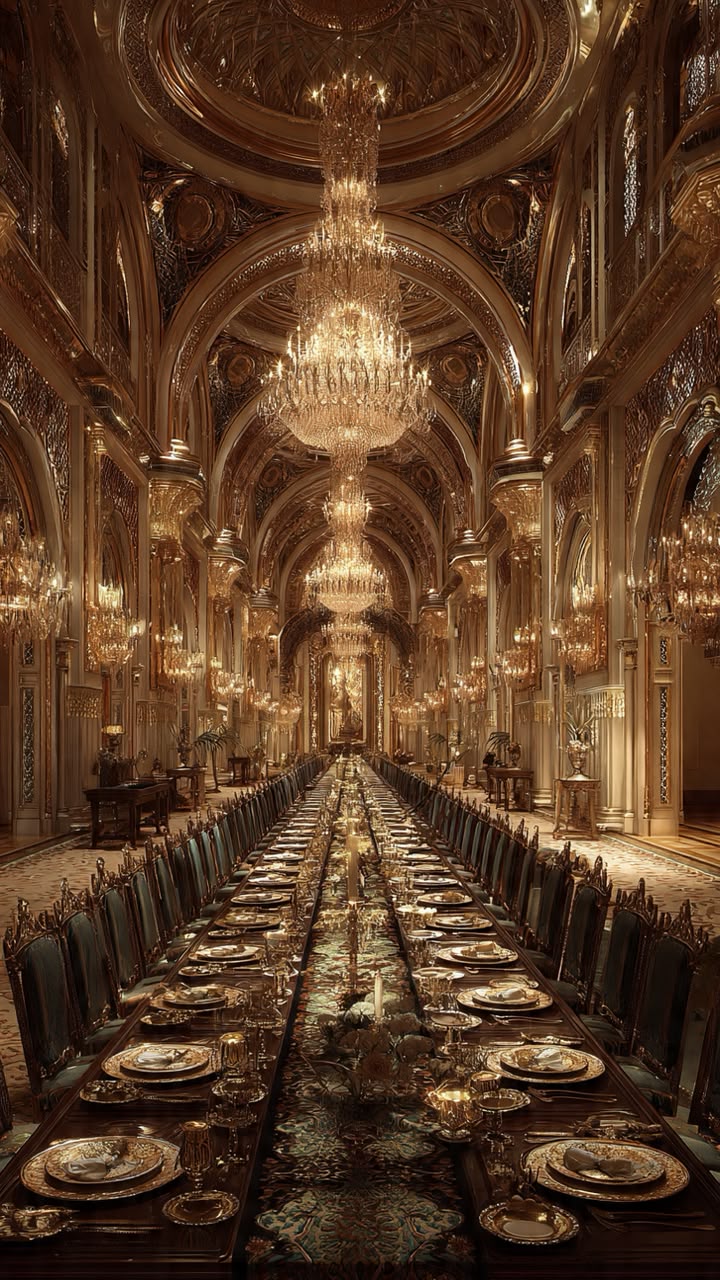
Formal hospitality begins before the first guest arrives. The room, table, lighting, and order of service are composed to make every visitor feel expected.
RoyalRope follows that spirit through personal attention, thoughtful presentation, and service that continues beyond the final fitting.
Today's tailors pair old technique with new fabric science — moisture-wicking cotton blends, reinforced tarboosh stitching, made-to-measure cuts sent in and fitted from a handful of measurements. The result still looks exactly like the robe worn a century ago; it just wears a little better in July.
We work with the same standard: hand-finished cuffs, a proper drape, and a fit that holds up to daily wear — made to order, not off a rack.
Share a few details — your address, your contact, your preferred style — and our atelier will follow up to confirm measurements before cutting begins.
Start Your Order